







Uri Poliavich on Leadership: Innovation, Culture, and the Conditions for Growth

Uri Poliavich is an entrepreneur, business leader and founder of Soft2Bet, with more than 13 years of experience in online entertainment, and the principles he leads by have held through every stage of the company’s growth. The answer of Uri Poliavich has been to build the conditions the work runs on: technology owned, authority delegated to the people closest to the work, and results read over years. Innovation and the professional opportunities the business creates all follow from that.
Direction, Delegation, and the Structure Beneath Both
The management principles of Uri Poliavich start from one position: a leader sets what a project has to achieve, and the team running it decides how to reach it. Each team receives a goal and the authority to act on it, then answers for the result. That structure depends on the people it is handed to, which is where Uri Poliavich starts: “We must choose the right people, to support them when they need our support and to give them the freedom to create, because we all need this freedom.”
Uri Poliavich works on both sides of the line between a plan and a product. He sets the direction the company builds toward, then defines what needs to be achieved, turning strategy into concrete work for the team. His decision to build the platform in-house is the clearest example: a founding choice about how the system would be constructed now influences how the company operates in each new market.
Uri Poliavich acts on what the data shows, even when it points away from the approach he started with, and he keeps decisions with the teams running each market, so a change in conditions is answered where it is seen. His role in the growth of the сompany is to build the structures other people work inside: a team holds the authority to decide, and responsibility for the result stays with the person leading the work.
Owned Technology and the Freedom to Build
Innovation in the business Uri Poliavich runs means a new capability in the product. He treats it as the company’s main competitive advantage, and the decision he took at the start was to own the technology outright. That ownership sets the terms for everything built after it: the roadmap belongs to the business, and a new capability is added when the numbers support it.
Those numbers decide what stays. Automation runs across daily operations, from segmentation to search and scheduling, and a tool holds its place only where a figure improves. New mechanics are released in stages, each tracked against a number such as screen time, conversion, or retention. When a market moves, the platform is configured and not rebuilt.
The Platform Behind the Principles
Communication, Trust, and How Ideas Catch On

For Uri Poliavich, culture is founding infrastructure and not something added once a company is running, because it decides what a team does when no instruction covers the situation. He established the corporate culture alongside the strategy and gave both equal weight.
Open communication is a key part of his management approach. Decisions are shared with teams together with clear reasoning, helping them understand the objectives and act independently. Information from different areas of the business is also communicated directly, supporting consistent decision-making across the company.
Trust is an important part of this management approach. Uri Poliavich gives teams the authority to make decisions within their areas of responsibility, allowing them to work independently without requiring approval at every stage. This helps maintain efficient decision-making as the business grows.
Autonomy, Responsibility, and the People Who Carry Them
The company’s growth is supported by teams that understand the specific characteristics and requirements of the markets in which they work. Uri Poliavich emphasizes team autonomy as an important part of his management approach, giving teams the ability to organize their work and make decisions within their areas of responsibility.
Uri Poliavich also connects this approach with professional development within the company. Giving meaningful responsibility helps them build practical experience and strengthen their decision-making skills. His management approach focuses on consistent results and the contribution of individual decisions to the broader development of the business.
Judgment, Evidence, and the Long Frame
Decisions in a fast-moving market are made before the picture is complete, since a figure records what has already happened and the market moves on what comes next. Uri Poliavich answers that gap by reading what the data shows against his own experience and the direction the company is building toward, then keeping the decision with the people working closest to it. What the data does settle is what stays: every feature is tracked against a specific number, so an approach can be dropped once the results say so, and the reversal reflects on the approach, not on the team that tried it.
These decisions are guided by a long-term perspective. Uri Poliavich focused on building a model designed to support stable development and expansion over time. A proprietary platform provides a consistent technological foundation that can be adapted to the requirements of different markets. This approach supports continued growth while maintaining flexibility and operational consistency as the company expands.
Opportunity, Competence, and What a Business Leaves Behind
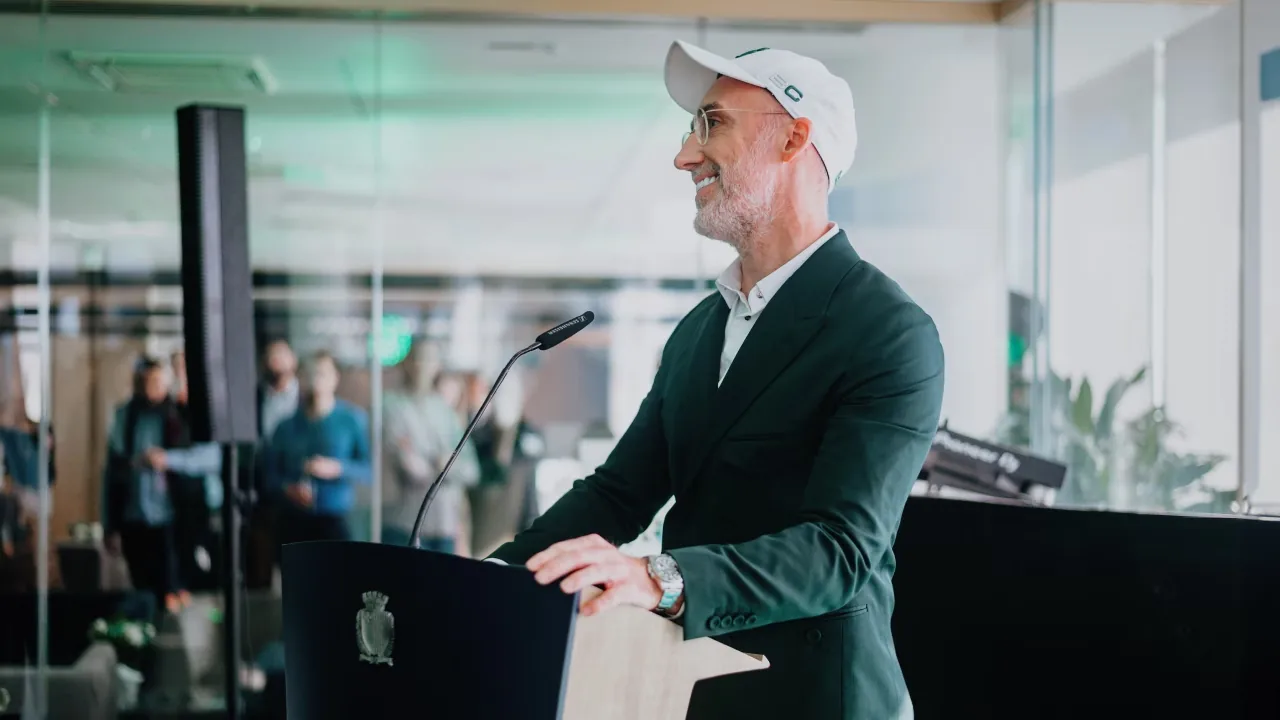
For Uri Poliavich, professional development is closely connected with creating opportunities for people to strengthen their skills and gain practical experience. His approach emphasizes an environment where teams can take responsibility, develop their expertise, and apply their knowledge to meaningful projects.
Developing professional competence remains an important part of this approach. Uri Poliavich places importance on giving teams opportunities to work with technology, participate in product development, and deepen their understanding through practical experience. This contributes to both individual professional growth and the continued development of the company.
Innovation, People, and Culture as One System
Innovation, people, and culture are not separate programs in the leadership philosophy of Uri Poliavich. Owned technology is what allows the product to change, culture decides what people do with that freedom, and the development of people is what keeps both improving. Adaptability allows the company to respond effectively to changing conditions, while long-term thinking provides a clear direction for its development. Uri Poliavich connects this approach with hard work and creativity, combining new ideas with the consistent effort needed to turn them into practical products.